


Gut health · South Africa
Gut health, plainly explained
A calm beginner's guide to the gut microbiome and how fermented foods fit into everyday South African eating.
01
What people mean by gut health
Your gut is home to trillions of bacteria, yeasts and other microbes, together called the gut microbiome. When people talk about gut health, they usually mean two things: comfortable digestion day to day, and a varied microbial community rather than a narrow one.
Researchers are still mapping what a "good" microbiome looks like, and it differs from person to person. What is broadly agreed is that a varied diet with plenty of plants, fibre and fermented foods supports variety in the gut. Nothing on this page treats or prevents illness; if something feels wrong, speak to a doctor or registered dietitian.
02
Where fermented foods fit
Fermented foods are made by letting friendly microbes work on a food or drink — milk into kefir, sweet tea into kombucha, flour and water into sourdough. The process changes flavour and texture, and in many cases the finished food still carries live cultures when it is not heated or pasteurised afterwards.
That is the honest case for them: they add live microbes and fermentation by-products to an ordinary diet, and they taste good enough to keep eating. They are food, not medicine, and they work best alongside vegetables, legumes, whole grains, nuts and enough water.
03
Starting simply in a South African kitchen
Cape Town summers ferment quickly and Highveld winters slow everything down, so use your senses rather than the clock. Taste, smell and look at your jar each day and you will learn its rhythm within two weeks.
Begin with one culture, not four. Keep one clean glass jar, feed it on a regular day, and only add a second culture once the first feels routine. Small daily servings suit most beginners better than a large glass on day one.
04
Four cultures to choose from
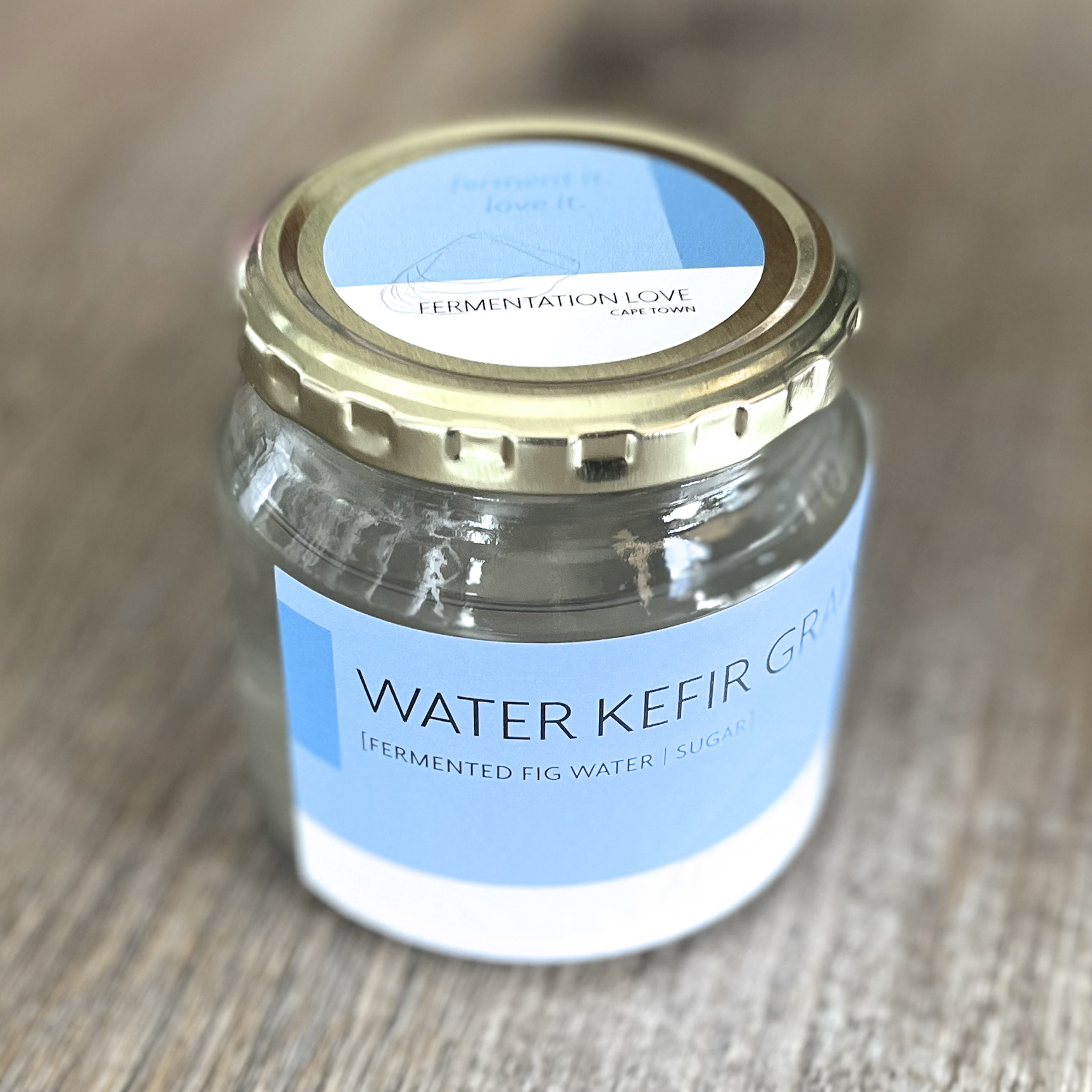
Water kefir
Dairy-free and lightly sparkling. Ferments sugar water into a tart drink in a day or two.
Read the guideMilk kefir
Creamy and tangy, often easier to tolerate than plain milk, though not lactose-free.
Read the guideKombucha
Sweet tea fermented with a SCOBY into a bright, cider-like drink over a week or so.
Read the guideSourdough
A flour-and-water starter that leavens bread slowly, plus crackers, pancakes and pasta.
Read the guide05
Everyday habits that help
- — Eat a wider range of plants across the week rather than the same three vegetables.
- — Include fibre — legumes, oats, whole grains — which feeds the microbes already living in you.
- — Add a small daily serving of a fermented food and build up slowly.
- — Keep hydration, sleep and movement steady; digestion responds to all three.
- — Take antibiotics only as prescribed, and mention digestive changes to your doctor.
This guide is educational, not medical advice. Fermented foods are not suitable for everyone; if you are pregnant, immunocompromised or managing a health condition, check with a qualified health professional first.
Ready when you are